
Smartphones sit at the center of modern healthcare journeys for both patients and clinicians. People carry powerful devices that support video visits, prescription refills, and chronic condition management from home. Hospitals and clinics build mobile-friendly portals so patients can view records, pay bills, and message staff. Doctors use phones to check guidelines, review imaging, and monitor remote data feeds. Pharmacies send refill reminders through apps and text alerts. Insurers and digital health companies design mobile tools that simplify approvals and claims. All of this reduces friction, speeds up responses, and keeps information flowing. As mobile networks and devices improve, smartphones continue to drive more convenient, personalized, and connected healthcare experiences across the entire care ecosystem.

The Growing Impact of Smartphones in Healthcare
Why Smartphones Are Becoming Healthcare Essentials
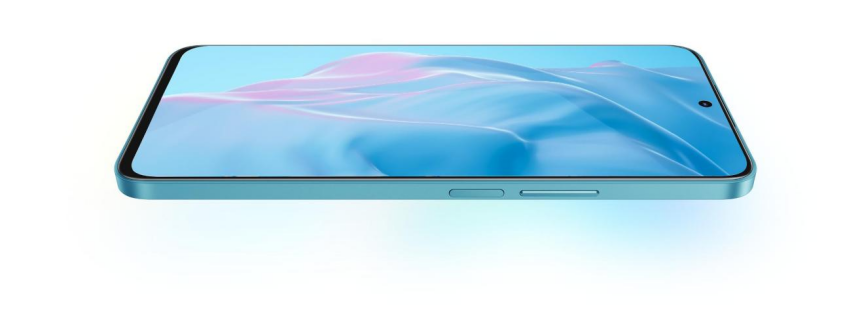
Smartphones fit naturally into daily routines, which makes them ideal healthcare companions. Devices such as the HONOR X8a phone support communication, planning, and information access, making it easy to incorporate health-related tasks into everyday life. Patients gain greater control by checking results, logging symptoms, and contacting healthcare teams whenever they need assistance. For clinicians, smartphones provide quick access to drug references, medical calculators, and evidence-based guidelines at the point of care. They also support secure messaging with colleagues for rapid consultations.Cost plays a role as well. Many patients own smartphones like the HONOR X8a even if they do not have access to computers, allowing mobile health tools to reach a broader range of communities. Push notifications can help users maintain medication schedules, attend follow-up appointments, and stay engaged with their healthcare plans, improving overall health management and outcomes.
Key Mobile Technologies Supporting Healthcare
Several mobile technologies work together to make smartphones effective in healthcare. High-speed 4G and 5G networks enable smooth video visits and quick transfer of medical images. Encrypted messaging and secure app frameworks protect sensitive health data. Cloud integration lets apps sync records across devices so both patients and clinicians see current information. Built-in sensors, such as accelerometers and GPS, support activity tracking and emergency location sharing. Biometric authentication, including fingerprints and facial recognition, helps safeguard access to health apps and patient portals. Integration with APIs allows phones to connect with hospital systems, pharmacies, and labs. Together, these technologies build a reliable, secure foundation that supports telemedicine, remote monitoring, and everyday health management.
How Smartphones Improve Patient Care
Health Tracking and Wellness Apps
Health tracking and wellness apps turn smartphones into personal health hubs. Users log steps, heart rate, sleep patterns, and nutrition in one place. Many apps analyze trends and provide simple insights, such as when to move more or adjust bedtime routines. For people with chronic conditions, symptom and medication trackers help document patterns that clinicians can review during visits. Mental health apps offer guided breathing, journaling, and mood tracking, supporting emotional well-being. Some platforms link to coaching or virtual care teams. Goal setting, streaks, and reminders keep users engaged over time. Because phones stay close at hand, these tools provide constant support, helping people build healthier habits and notice early warning signs.
Remote Monitoring and Wearable Device Integration
Smartphones act as central hubs for remote monitoring and wearables. Devices like smartwatches, fitness bands, glucose monitors, and connected blood pressure cuffs send data to companion apps. The smartphone collects, displays, and often forwards this information to care teams. Clinicians can review real-time or trend data to catch issues early, such as rising blood pressure, irregular heart rhythms, or poor glucose control. Some systems trigger alerts to both patients and providers when readings fall outside safe ranges. This continuous stream of data reduces the need for frequent clinic visits and supports more personalized adjustments to treatment plans. Patients gain reassurance knowing that their health metrics do not disappear between appointments.
Smartphone Features That Support Better Healthcare Access
High-Quality Displays for Health Information Management
High-quality smartphone displays play a key role in managing health information. Sharp resolution and accurate colors help users read charts, view imaging previews, and follow detailed care instructions without strain. Larger screens make it easier to scroll through medical histories, test results, and medication lists. Patients can zoom in on complex diagrams or photos, improving understanding of conditions and treatments. For clinicians, clear displays support quick review of lab values, images, and decision support tools during rounds or telehealth visits. Adjustable brightness and night modes help protect eye comfort for users who manage health apps in low-light settings. These display features make mobile health content more readable, engaging, and usable.
Advanced Cameras and Long Battery Life for Everyday Healthcare Use
Advanced cameras allow smartphones to capture important health details. Patients can photograph rashes, wounds, or swelling to share with their doctors, which improves remote assessments. Video recording helps document movement issues, such as gait changes or tremors. Some apps use the camera to scan prescriptions, monitor respiratory rates, or support vision tests. Long battery life keeps these functions available throughout busy days. Phones remain ready for telemedicine visits, emergency calls, and continuous connection with remote monitoring devices. Reliable power reduces the risk of missed alerts or dropped consultations. Combined, strong cameras and lasting batteries make smartphones dependable tools for everyday healthcare and urgent situations.
Conclusion
Smartphones now function as essential healthcare tools, not just communication devices. Patients use them to track health data, connect with clinicians, and access trustworthy information whenever they need it. Telemedicine, remote monitoring, and wellness apps all rely on secure, powerful mobile platforms. Clinicians benefit from rapid access to records, decision support, and real-time patient data. Features such as high-resolution displays, advanced cameras, and long battery life further improve access and usability. As mobile networks and technologies evolve, smartphones will continue to bridge gaps in care, support earlier interventions, and personalize health experiences. Embracing these tools can help health systems and patients achieve better outcomes and more convenient, connected care.